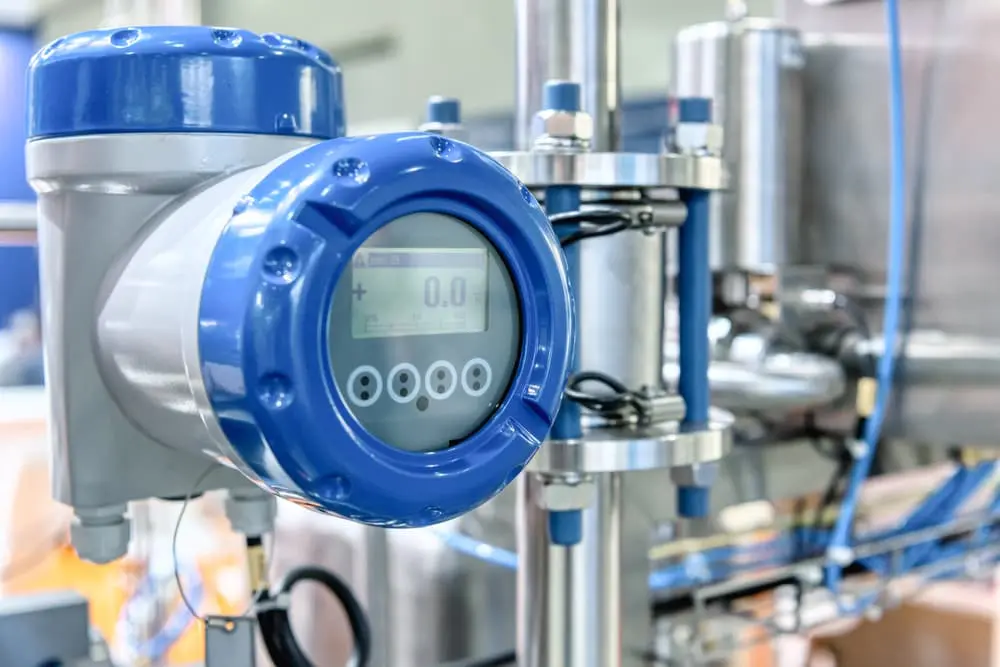
Water is one of the world’s most valuable resources, and as urban populations continue to grow, the demand for efficient and sustainable water management has become more important than ever. Traditional water systems are increasingly struggling to meet modern challenges such as water loss, inaccurate billing, infrastructure inefficiencies, and rising operational costs.
To address these issues, industries and municipalities are turning toward smart water infrastructure — an advanced approach that combines digital technology, intelligent monitoring, and real-time data management to improve water distribution and efficiency.
Smart water infrastructure is reshaping the future of utilities by helping organizations monitor usage more accurately, reduce waste, and build more sustainable systems for the future.
At Izel Metering, innovative smart metering solutions are helping support the development of modern, intelligent, and efficient water infrastructure systems.
What Is Smart Water Infrastructure?
Smart water infrastructure refers to the integration of digital technologies into water management systems. This includes smart water meters, automated monitoring systems, sensors, and data analytics platforms that help utilities track and manage water usage more effectively.
Unlike traditional water systems that rely heavily on manual processes, smart infrastructure enables real-time visibility into water consumption and system performance.
Key components of smart water infrastructure include:
- Smart water meters
- Remote monitoring systems
- Automated data collection
- Leak detection technology
- Advanced analytics platforms
- Intelligent utility management systems
These technologies allow organizations to make faster, more informed decisions while improving operational efficiency.
Why Traditional Water Systems Face Challenges
Conventional water management systems often rely on outdated infrastructure and manual meter reading processes. This can create several challenges, including:
- Water loss due to leaks
- Delayed problem detection
- Inaccurate consumption tracking
- Billing inefficiencies
- High maintenance costs
- Limited operational visibility
As urban development continues to increase, these inefficiencies can place significant pressure on water utilities and infrastructure providers.
Smart water infrastructure helps solve these problems through automation, real-time monitoring, and intelligent data analysis.
The Benefits of Smart Water Metering
1. Real-Time Water Monitoring
One of the biggest advantages of smart water metering is the ability to monitor water usage in real time. Unlike traditional meters that require manual reading, smart meters automatically collect and transmit data.
This allows utilities and property managers to:
- Track consumption instantly
- Of
- Identify leaks quickly
- Improve operational efficiency
Real-time monitor
2. Improved Leak Detection
Water leaks are one of the leading causes of water loss globally. Traditional systems may take days or even weeks to identify hidden leaks, leading to wasted resources and increased costs.
Smart metering technology can quickly identify unusual flow patterns and alert operators about potential leaks before they become major problems.
This proactive approach helps reduce:
- Water waste
- Infrastructure damage
- Maintenance expenses
- Operational disruptions
At Izel Metering, smart metering solutions are designed to support more accurate monitoring and efficient water management.
3. Accurate Billing and Data Collection
Manual meter readings can sometimes result in estimation errors and billing inaccuracies. Smart water meters improve billing accuracy by automatically collecting precise consumption data.
This helps utilities and customers benefit from:
- Transparent billing
- Reduced human error
- Better consumption tracking
- Improved customer trust
Automated systems also reduce the operational workload associated with manual meter reading processes.
Sustainability and Water Conservation
Sustainability is becoming a major focus for governments, utilities, and businesses worldwide. Smart water infrastructure supports sustainable water management by helping reduce unnecessary water consumption and improving resource efficiency.
Smart systems encourage conservation by:
- Identifying leaks early
- Monitoring high-consumption areas
- Supporting data-driven planning
- Reducing wasted water
- Improving infrastructure performance
As climate concerns continue to grow, intelligent water management systems will play an increasingly important role in protecting valuable water resources.
The Role of Data in Smart Water Infrastructure
Data is at the center of modern smart water systems. Advanced analytics platforms help utilities collect, interpret, and act on large amounts of usage information.
Data-driven insights can help organizations:
- Predict maintenance needs
- Improve system reliability
- Optimize water distribution
- Reduce operational costs
- Enhance infrastructure planning
Instead of reacting to problems after they occur, smart infrastructure enables predictive and proactive management strategies.
Smart Infrastructure for Smart Cities
As cities become more connected through digital technology, smart water infrastructure is becoming an essential part of smart city development.
Modern smart cities require utility systems that are:
- Efficient
- Sustainable
- Scalable
- Data-driven
- Environmentally responsible
Smart water management supports broader urban development goals by improving infrastructure performance while reducing environmental impact.
Integrated water systems can also work alongside other smart city technologies to improve overall resource management and operational efficiency.
Industries Benefiting from Smart Water Solutions
Smart water infrastructure is helping improve operations across multiple sectors, including:
- Residential communities
- Commercial buildings
- Industrial facilities
- Municipal water utilities
- Real estate developments
- Educational institutions
- Hospitality and healthcare sectors
Each industry benefits from better visibility, improved efficiency, and more accurate water management processes.
The Future of Water Infrastructure
The future of water management will continue to focus on automation, sustainability, and intelligent monitoring. As populations grow and environmental pressures increase, utilities will need smarter systems capable of supporting long-term resource management.
Future advancements in smart water infrastructure may include:
- AI-powered analytics
- Advanced predictive maintenance
- IoT-connected utility systems
- Enhanced automation
- Smarter conservation technologies
Organizations that invest in intelligent water infrastructure today will be better prepared for future operational and environmental challenges.
At Izel Metering, the focus remains on supporting the future of sustainable and intelligent water management through innovative smart metering solutions.
Final Thoughts
Smart water infrastructure is transforming how utilities, businesses, and communities manage one of the world’s most essential resources. Through advanced metering technology, automated monitoring, and intelligent data systems, organizations can improve efficiency, reduce waste, and support sustainable water management practices.
As the demand for smarter and more connected infrastructure continues to grow, intelligent water systems will play a critical role in shaping the future of modern utilities and sustainable urban development.
For organizations seeking innovative smart water solutions, Izel Metering provides advanced technologies designed to support efficient, reliable, and future-ready water infrastructure systems.